Short answer? Yes, you absolutely can. In fact, if you’ve been wondering “can I buy a used electric car through my business?” or even “can I buy a second-hand electric car through my business?”—you’re not alone. And the answer is yes, you can.
In fact, buying a second-hand electric car (EV) through your business could be one of the smartest financial decisions you make this year. It’s cost-effective, tax-efficient, and better for the planet.
But let’s break it down properly.
Because, like anything tied to business finance and tax, understanding the ins and outs matters. From how it affects your tax position to what kind of finance might work best, it’s important to get it right.
The good news? You’re in exactly the right place. Below, we’ll walk you through everything you need to know abouthow to buy a second-hand electric car through your business—and why it might just be the boost your business needs.
Why buy a used EV through your business?
Let’s face it. New vehicles lose value quickly. Within the first year, most cars depreciate by up to 20%. With electric vehicles, depreciation can hit even harder due to rapid advancements in technology.
So why not let someone else take that initial hit?
Buying second-hand means:
- Lower upfront costs
- Slower depreciation
- Potential for tax benefits
- Smaller environmental impact
Even better? There are often grants and incentives available to businesses going electric. And you can still enjoy the prestige of driving an EV.
Business Benefits of Electric Vehicles
Still unsure if it makes sense? Let’s talk benefits:
1. Reduced Benefit-in-Kind (BIK) Tax
- Electric vehicles attract significantly lower BIK tax rates.
- That means if you’re a director or employee using the car personally, you’ll pay less tax.
2. Lower Operating Costs
- EVs cost far less to run. No fuel. Fewer moving parts. Lower maintenance.
3. Clean Company Image
- Going green is a PR win. Clients notice when you make sustainable choices.
3. Government Support
- You may qualify for government grants or exemptions, especially for low-emission vehicles.
- Check GOV.UK EV Incentives for current offers.
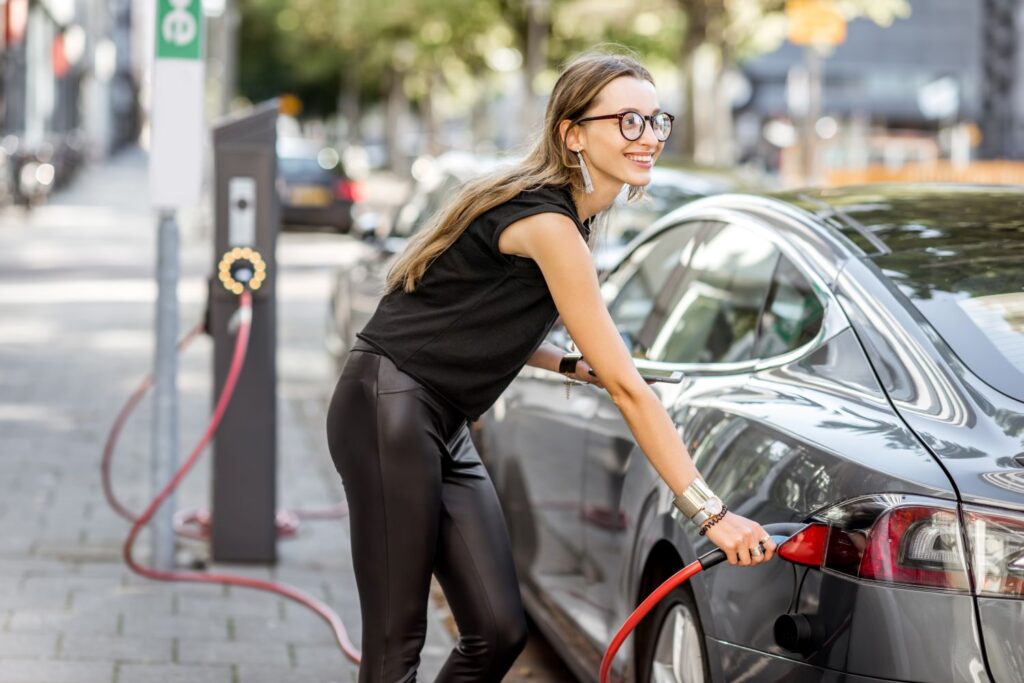
What to Consider When Buying a Used EV for Business
Before jumping in, you need a clear plan. Ask yourself:
- Will the vehicle be used mostly for business? This affects your tax benefits.
- How old is the EV? Battery life and range may be shorter.
- Does it qualify for any tax relief? Lower-emission used vehicles may still be eligible.
- Is it worth financing? Instead of paying outright, financing might give you more flexibility.
Tax implications
Let’s talk numbers.
Buying an EV through your business can significantly impact your taxes—in both positive and negative ways. It’s not as simple as just handing over the keys. You’ll need to consider capital allowances, VAT rules, and potential Benefit-in-Kind charges. Understanding these implications upfront will help you plan better, avoid surprises, and potentially save a lot of money down the road.
Capital Allowances
You can usually claim a portion of the car’s value against your profits. But the rate depends on CO2 emissions and whether it’s a new or used vehicle.
For electric vehicles:
- 100% first-year allowance may still apply if the car is new.
- For second-hand, main rate capital allowance (18%) often applies.
VAT Reclaim
You can only reclaim VAT if the vehicle is used 100% for business. That includes no personal use.
Benefit-in-Kind Tax
Even used EVs qualify for low BIK rates. This could save you and your team hundreds or even thousands each year.
Finance Options: How to Pay for a Used EV Through Your Business
Don’t want to buy it outright? You don’t have to.
We specialise in helping businesses secure financing tailored to their needs. Here are a few options:
1. Hire Purchase
- You pay monthly instalments.
- You own the vehicle at the end.
- Ideal for businesses planning long-term use.
2. Finance Lease
- Spread the cost and use the vehicle without full ownership.
- Possible to share in resale value.
3. Contract Hire (Business Lease)
- Pay to use the car, then return it.
- Keeps costs predictable.
All options come with pros and cons. That’s why working with a broker who gets it matters.
What About Insurance And Maintenance?
You must insure the vehicle under your business name. This applies whether you’re leasing, financing, or buying outright.
Maintenance on EVs is usually cheaper. But always check battery health when buying used. The battery is the most expensive component.
Can You Claim Mileage on a Business EV?
Yes. If you use the car personally, you can still claim business mileage. HMRC has a set rate:
- 45p per mile for the first 10,000 miles
- 25p after that
Alternatively, claim actual expenses if the car is 100% for business use.
New Vs Used Electric Vehicles
Here’s the big question: should you buy new or used?
Used EV Pros:
- Lower purchase price
- Avoid steep depreciation
- Good for smaller budgets
Used EV Cons:
- May miss out on full tax relief
- Battery life may be shorter
New EV Pros:
- Latest tech and features
- 100% first-year allowance
- Longer battery warranties
New EV Cons:
- Higher upfront cost
- Fast depreciation
For many businesses, used is a smart balance. Especially when paired with smart finance. You can look for electric car options on websites like Auto Trader.
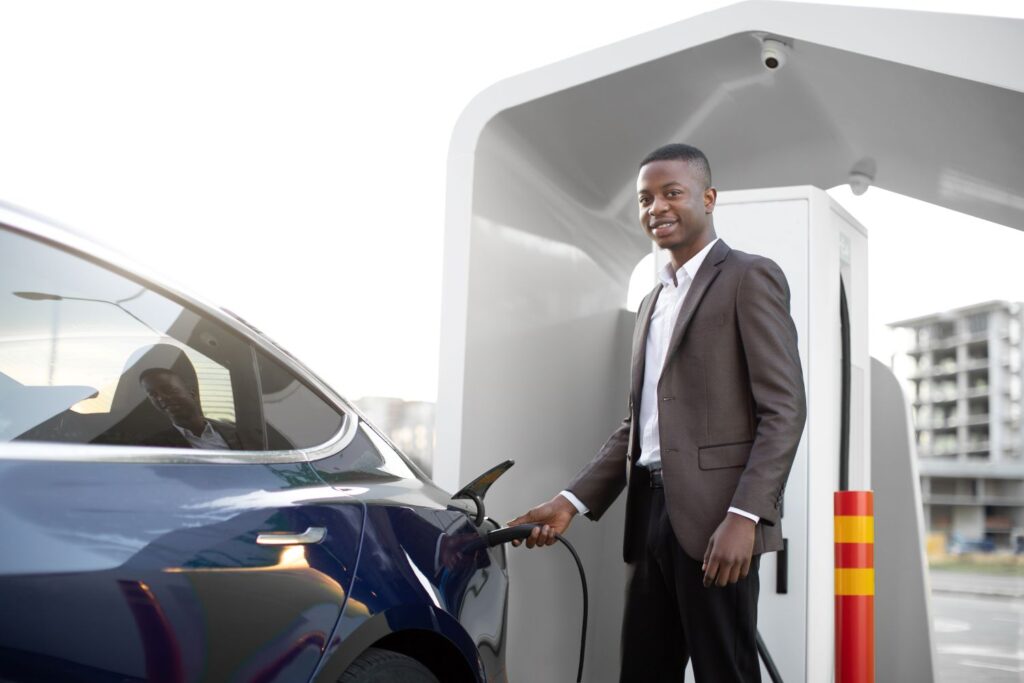
New Vs Used Electric Vehicles
Don’t sit on the fence. Second-hand EVs are a smart, sustainable option for UK businesses. And when you work with First Oak Capital, you get the guidance and support to make it happen smoothly.
So yes, you can buy a second-hand electric car through your business. And we’d be happy to help you do just that.
Let’s make it happen.
How First Oak Capital Can Help
This part’s important.
At First Oak Capital, we get to know your business. We don’t push one-size-fits-all products. We don’t ghost you. And we never leave you guessing.
What we do is:
- Find the best finance solution for your situation.
- Work with our wide network of lenders.
- Move fast, communicate clearly, and stay with you from start to finish.
Whether you want a second-hand EV or you’re unsure what’s best, we’ll walk you through it. No pressure. Just good advice.
Ready to get moving?
Click here to apply now or speak to one of our friendly brokers today.
Yes, sole traders can buy a car for business use and claim tax relief based on usage.
Yes, but you’ll need to pay benefit-in-kind tax and keep clear records.
Only if the car is used 100% for business. Otherwise, partial or no VAT reclaim.
That depends. Leasing may offer more flexibility, but hire purchase could provide better capital allowances.
The car must be insured in the business name, even if used by an employee or director.
Many finance options offer low or no-deposit terms, especially through a broker like us.
Not always. If taken in the business name with no personal guarantee, it may not.